Learnerships 2026 Online Application South Africa: Complete Guide to Apply Successfully

Finding the right learnerships 2026 online application can be the first step towards building a successful career in South Africa. Every year, thousands of young people apply for government and private-sector learnership programmes to gain valuable workplace experience, develop industry-specific skills, and earn a nationally recognised qualification. If you’re unemployed or recently completed school, a learnership can help you bridge the gap between education and employment while receiving practical training in a real work environment.
Unlike ordinary training courses, learnerships combine classroom learning with on-the-job experience. This approach allows participants to develop practical skills that employers value, making it easier to compete in the South African job market. Whether you’re interested in banking, information technology, engineering, retail, healthcare, logistics, or public administration, there are numerous learnerships 2026 available through Sector Education and Training Authorities (SETAs), government departments, municipalities, and private employers.
This guide explains everything you need to know before starting your application, including eligibility requirements, required documents, benefits, and important information that every applicant should understand before applying.”Visit Hompage for more”
What Is a Learnership?
A learnership is a structured education and workplace training programme registered on South Africa’s National Qualifications Framework (NQF). It combines formal learning with supervised workplace experience, allowing participants to gain practical knowledge while working towards an accredited qualification.
Most South Africa learnerships are designed for unemployed youth who want to improve their employability without paying expensive tuition fees. Instead of studying only in a classroom, learners spend time working with an employer while completing the theoretical component of the programme.
At the end of a successful learnership, participants usually receive:
Many employers use learnerships to identify talented individuals for future vacancies, although permanent employment is never guaranteed.
Why Learnerships Matter in 2026
South Africa continues to focus on developing workplace skills to reduce youth unemployment and prepare job seekers for industries experiencing skills shortages. As a result, many employers continue offering government learnerships and industry-funded training programmes during 2026.
Completing a learnership offers several long-term advantages, including:
| Benefit | Why It Matters |
|---|---|
| Nationally recognised qualification | Improves your career opportunities across South Africa. |
| Practical work experience | Employers often prefer candidates with workplace exposure. |
| Monthly stipend | Many programmes provide financial support for transport, meals, or living expenses. |
| Professional development | Learners improve communication, teamwork, and technical skills. |
| Career opportunities | Some employers recruit high-performing learners after completion. |
A learnership is not simply about receiving a certificate. It helps participants understand workplace expectations, improve confidence, and develop practical skills that employers look for when hiring new staff.
Who Can Apply for Learnerships 2026?
Although requirements differ depending on the employer or SETA, most learnerships 2026 online application opportunities have similar eligibility criteria.
Applicants generally need to meet the following conditions:
| Requirement | Typical Eligibility |
|---|---|
| Citizenship | South African citizen with a valid ID |
| Age | Usually between 18 and 35 years |
| Employment status | Unemployed at the time of application |
| Education | Grade 12 (Matric) is commonly required, although some programmes accept lower or higher qualifications |
| Availability | Able to complete the full duration of the learnership |
Certain industries may request additional subjects such as Mathematics, Physical Science, Computer Studies, or relevant vocational qualifications. Always read the advertised requirements carefully before applying.
Meeting the minimum requirements does not automatically guarantee selection, as many programmes receive thousands of applications each year.
Industries Offering Learnership Opportunities
One of the biggest advantages of learnerships 2026 is the variety of industries participating in these programmes. Whether you prefer office work, technical careers, customer service, healthcare, or skilled trades, there are opportunities available for different educational backgrounds.
Some of the most popular sectors include:
Some employers also advertise specialised opportunities, including programmes such as SpecCon learnership opportunities and other employer-sponsored training initiatives throughout the year.
Because applications open at different times, it is worth checking for new opportunities regularly rather than waiting for one large recruitment period.
How Long Does a Learnership Last?
The majority of learnership programmes run for approximately 12 months, although some specialised qualifications may last longer depending on the occupation and qualification level.
During this period, participants divide their time between structured learning and workplace training. This balanced approach helps learners understand both the theoretical and practical aspects of their chosen career.
Throughout the programme, learners are expected to:
Successfully completing every component is usually necessary before receiving the final qualification.
Do Learnerships Pay a Stipend?
A common question among applicants concerns financial support.
Most recognised South Africa learnerships provide a monthly stipend rather than a salary. The exact amount varies depending on the employer, industry, funding organisation, and qualification level.
The stipend is generally intended to help cover expenses such as:
The amount differs between programmes, so applicants should read each advertisement carefully before applying.
It is also important to remember that legitimate learnership providers do not charge application fees or placement fees. If someone requests payment to secure a learnership, treat it as a warning sign and verify the opportunity before sharing personal information.
Documents You’ll Need Before Applying
Preparing your documents before applications open can save time and improve your chances of submitting a complete application.
Most employers request:
Keep digital copies in PDF format with clear file names so they’re ready to upload whenever new vacancies become available.
Having organised documents also helps you apply for multiple opportunities without repeatedly preparing the same paperwork.
How to Complete the Learnerships 2026 Online Application Successfully
Now that you understand how learnership programmes work, the next step is learning how to submit a successful learnerships 2026 online application. Although each employer may have slightly different recruitment procedures, most follow a similar online application process. Preparing in advance and following each step carefully can improve your chances of being shortlisted.
Many applicants lose opportunities because they upload incomplete documents, miss closing dates, or fail to read the eligibility requirements. Spending a little extra time checking every detail before submitting your application can make a significant difference.
Learnerships 2026 Online Application Process
Most learnerships 2026 follow a straightforward online application process. Use the checklist below to avoid common mistakes.
Step 1: Search for Verified Learnership Opportunities
Start by visiting the official South African Government Skills Development page to understand available skills initiatives and recognised training opportunities.
Official Government Website:

You can also monitor employer career pages, recognised SETAs, government departments, municipalities, and reputable recruitment platforms for newly advertised vacancies.
Always verify that the vacancy is genuine before submitting any personal information.
Step 2: Check the Entry Requirements Carefully
Every learnership has its own eligibility criteria.
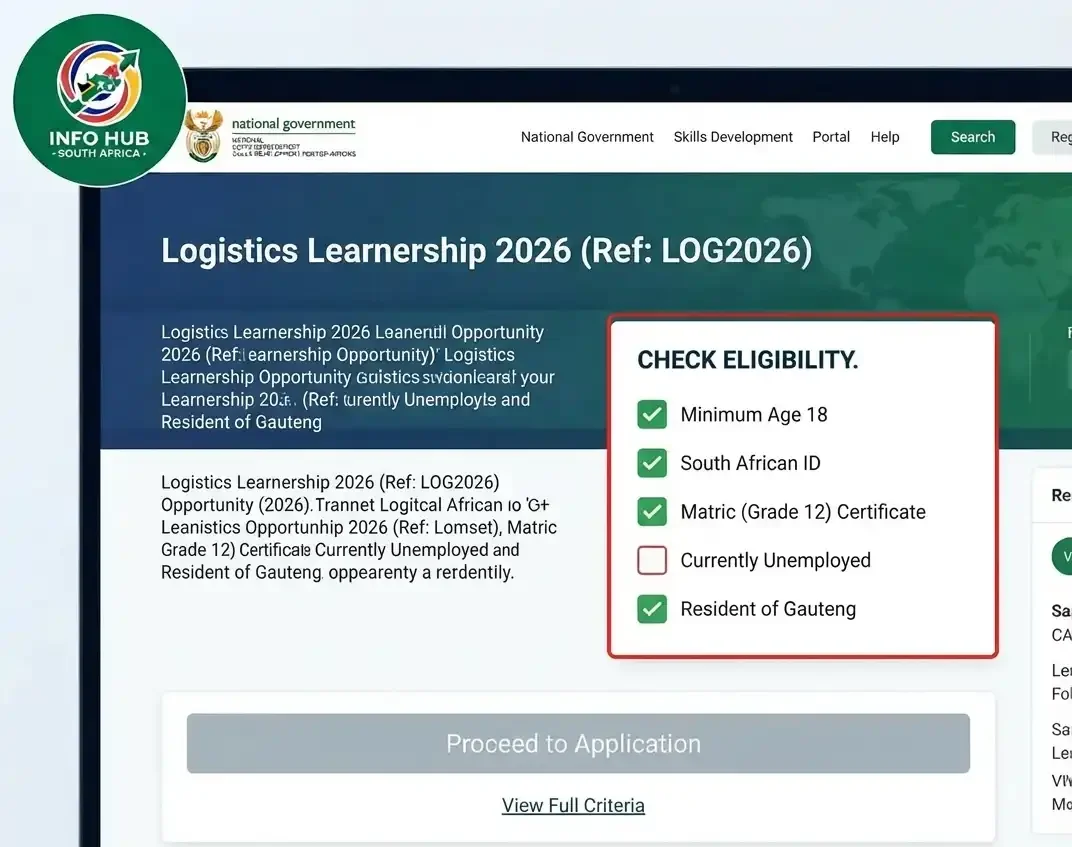
Before applying, confirm that you meet the advertised requirements, including:
Applying for positions you do not qualify for usually results in automatic rejection.
Step 3: Prepare Your Documents
Before opening the application form, keep all required documents ready.

Most employers request:
| Required Document | Why It Is Needed |
|---|---|
| Updated CV | Shows your education and experience |
| Certified South African ID | Confirms your identity |
| Certified Matric Certificate | Verifies your qualification |
| Proof of Residence | Confirms your address |
| Additional Certificates | Required for specialised programmes |
Ensure scanned copies are clear and easy to read.
Blurry documents may delay your application.
Step 4: Register Your Online Profile
Some employers require applicants to create an online account before applying.
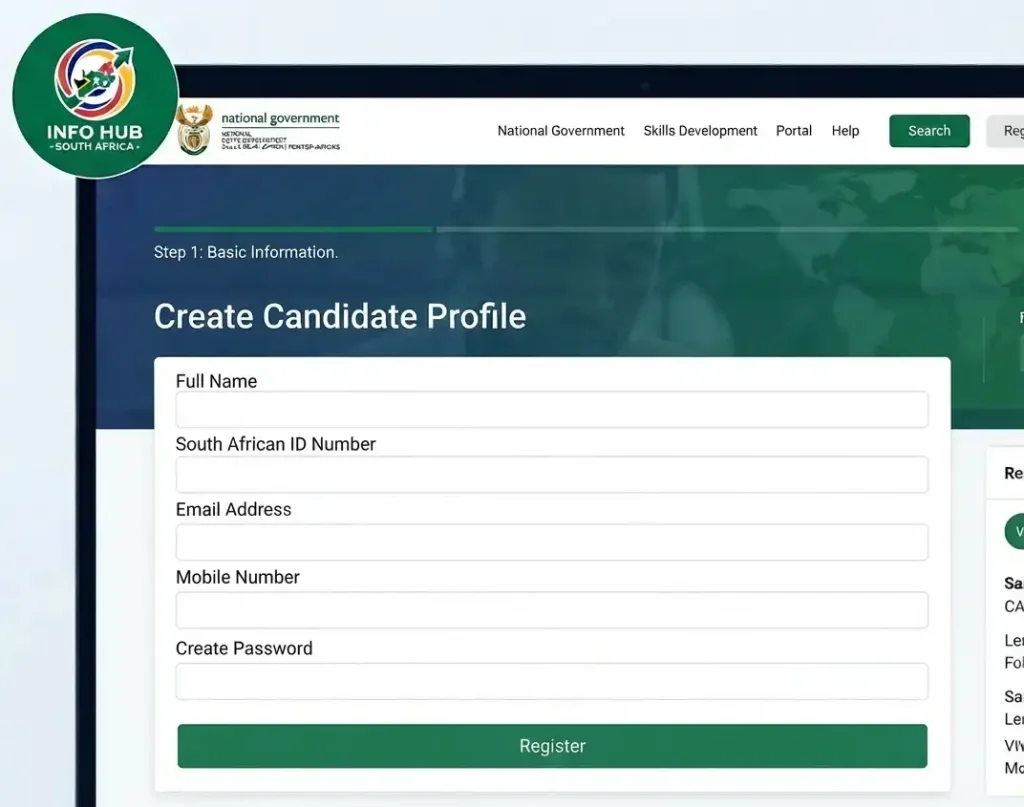
During registration, you’ll normally provide:
Use an active email address and phone number because interview invitations are usually sent through these contact details.
Step 5: Complete the Application Form
Take your time when filling in the online application.

Double-check:
Even a small mistake in your ID number or phone number could prevent recruiters from contacting you.
Step 6: Upload Supporting Documents
Most learnerships 2026 online application systems allow applicants to upload documents in PDF format.
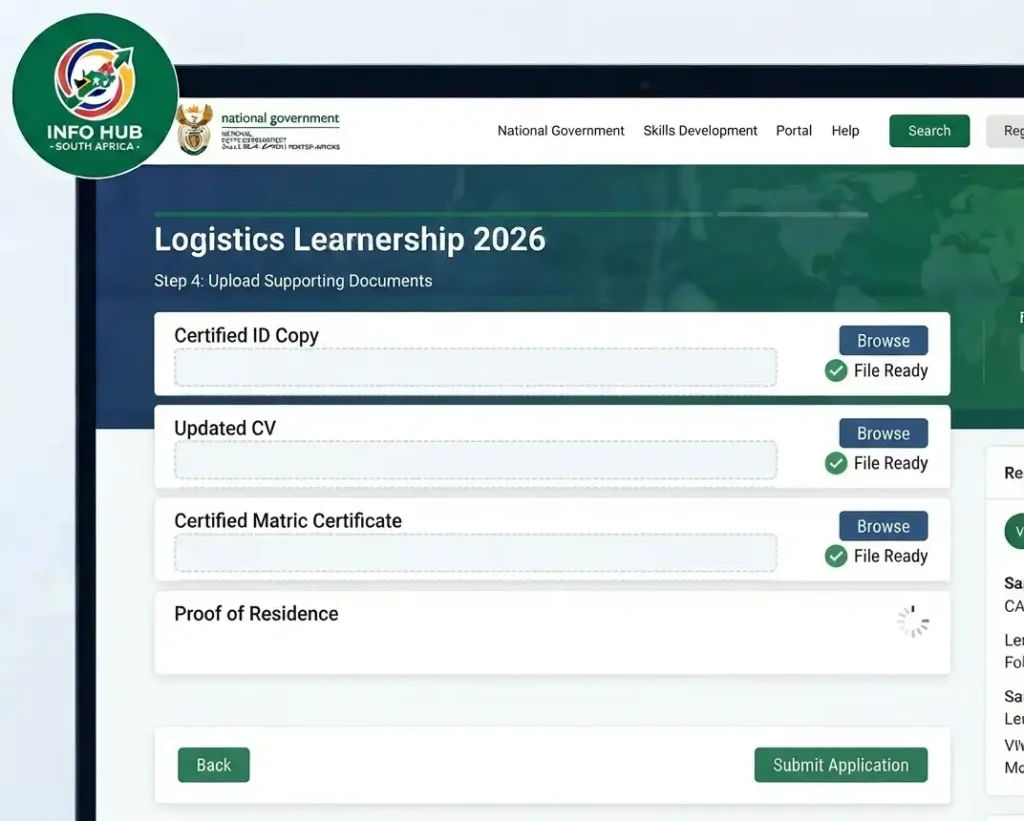
Before submitting, confirm that:
Step 7: Submit Your Application
Once everything has been reviewed, submit your application.

Many systems provide:
Save this information in case you need to follow up later.
Avoid submitting multiple applications for the same vacancy unless the employer specifically allows it.
Using SAYouth to Find Opportunities
Many unemployed young South Africans use SAYouth to discover verified employment, training, and learnership opportunities.
The platform allows eligible users to:
Keeping your profile updated improves your chances of matching future opportunities.
Common Mistakes That Reduce Your Chances
Many applicants are rejected before recruiters even review their qualifications.
Avoid these common mistakes:
Taking a few extra minutes to review your application can prevent avoidable mistakes.
Expert Tips to Improve Your Application
Competition for learnerships 2026 can be high, especially in popular industries such as banking, retail, healthcare, and information technology.
These practical tips may improve your application:
Employers often receive thousands of applications, so consistency is important.
Can You Apply for More Than One Learnership?
Yes.
There is generally no rule preventing applicants from submitting applications for multiple learnership programmes, provided they meet the requirements for each vacancy.
However, once accepted into a funded learnership, you may not be eligible to participate in another funded programme at the same time.
Always read the specific conditions listed in each advertisement.
What Happens After You Submit Your Application?
Once your application has been received, the recruiting organisation usually reviews every submission against the advertised requirements. Applications that meet the minimum criteria may move to the next stage of the selection process.
Depending on the employer, you may be contacted for:
Some organisations receive thousands of applications, so the review process can take several weeks. If you are not contacted immediately, remain patient and continue monitoring other learnerships 2026 opportunities.
How Will You Know If Your Application Is Successful?
Most employers communicate with shortlisted applicants through:
Because of this, always keep your mobile number and email address active after submitting your application.
It’s also a good idea to check your spam or junk email folder regularly, as important messages can sometimes be filtered automatically.
If you receive an interview invitation, respond promptly and follow any instructions provided by the employer.
Can You Apply Without Matric?
Some South Africa learnerships accept applicants with qualifications below Grade 12, particularly in entry-level industries or community-based programmes. However, many employers still require Matric because it provides the academic foundation needed for workplace learning.
If you do not currently meet the educational requirements, consider improving your qualifications through recognised education programmes while continuing to monitor future opportunities.
Are Learnerships Free?
Yes.
Legitimate learnership programmes do not charge registration, application, placement, or recruitment fees.
If an individual or company requests payment to secure a position, promises guaranteed selection after payment, or asks for banking details before the recruitment process begins, treat it as a warning sign.
Always verify opportunities before sharing personal information.
Warning Signs of Learnership Scams
Unfortunately, fraudulent advertisements appear online every year.
Protect yourself by watching for these common warning signs:
A genuine employer will explain the recruitment process clearly and never ask applicants to pay to participate in a recognised learnership.
Practical Tips for First-Time Applicants
If this is your first learnerships 2026 online application, a little preparation can make the process much smoother.
Here are a few practical recommendations:
Building experience through short courses, volunteering, or community projects can also strengthen future applications.
FAQs
Conclusion
Applying for a learnerships 2026 online application is one of the most practical ways for unemployed South Africans to gain recognised qualifications, workplace experience, and valuable professional skills. Whether you are interested in finance, engineering, retail, healthcare, technology, or public services, there are learnerships 2026 available for people with different educational backgrounds and career goals, including programmes such as the SpecCon Learnership.
Preparation is one of the biggest factors in a successful application. Keep your documents organised, ensure your CV reflects your latest qualifications, read every vacancy carefully, and submit complete applications before the closing date. If you are applying for a SpecCon learnership or any other programme, carefully follow the application requirements and make sure all supporting documents are complete. For the latest guides, application tips, and updates, Info Hub South Africa can help you stay informed throughout the application process.
Most importantly, stay consistent. Not every application will result in an interview, but every submission gives you another opportunity to move closer to your career goals. With patience, preparation, and persistence, you can build a brighter future through South African learnership programmes. Whether you are searching for learnerships 2026 online application, exploring new learnerships 2026, or looking for information about a SpecCon Learnership, Info Hub South Africa is your trusted source for helpful guides and the latest application information.
Read More
PSIRA Online Booking 2026: Complete Guide to Booking Your Appointment in South Africa
WSU Student Portal Login 2026 South Africa: Complete Walter Sisulu University Guide
Matric Results 2026 Online Check South Africa: Get Your NSC Results Instantly
CUT Status Check South Africa 2026: Complete Application and Admission Guide
Sol Plaatje University Online Application 2026 South Africa: Complete Step-by-Step Application Guide
NSFAS Online Application 2026 South Africa: Complete Application Guide & Requirements